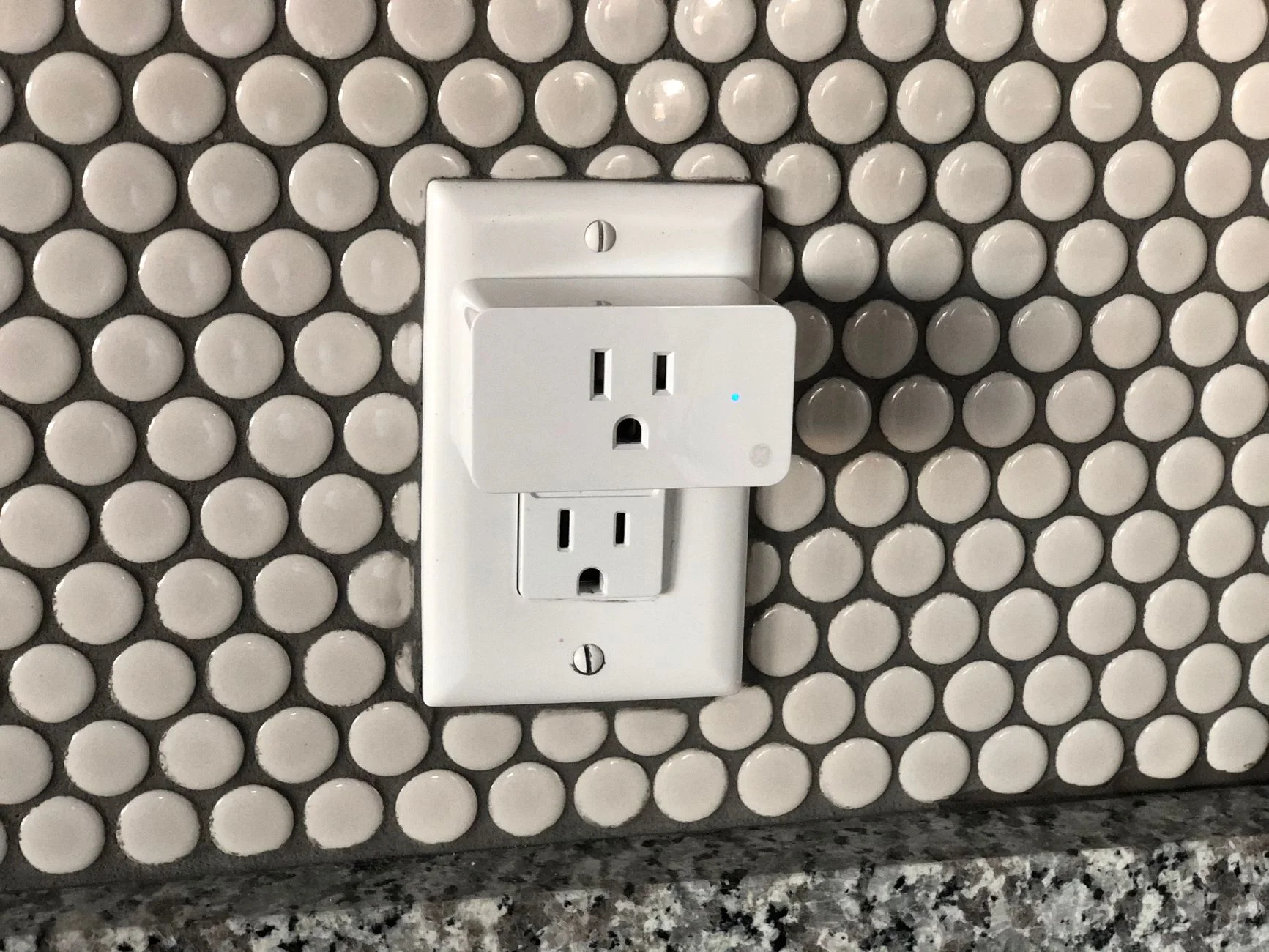
Smart plugs are the most accessible starting point in home automation. For under £15 you can make any ordinary appliance — a lamp, a fan, a coffee maker — voice-controlled, schedule-able, and remotely switchable from anywhere in the world. With UK energy prices still high, models with energy monitoring add a layer of genuine utility, showing you exactly which devices are costing you money. Here are the best smart plugs available in the UK right now.
What makes a smart plug worth buying?
Not all smart plugs are equal. The key differentiators are: reliability of the Wi-Fi connection (some cheaper models drop off the network regularly), accuracy of energy monitoring, compatibility with your voice assistant, and UK-specific design. UK smart plugs use the Type G three-pin socket, so always buy UK stock — plugs designed for European two-pin sockets won’t fit without a bulky adapter.
More recently, Matter-compatible smart plugs are worth considering for future-proofing. A Matter plug works with Alexa, Google Home, and Apple HomeKit simultaneously without any workarounds. Read our Matter protocol explainer to understand why this matters.
Best UK smart plugs at a glance
| Smart Plug | Price | Energy monitoring | Works with | Matter support |
|---|---|---|---|---|
| TP-Link Tapo P110 | £13.99 | Yes | Alexa, Google | No |
| TP-Link Tapo P125M | £17.99 | No | Alexa, Google, Apple Home, Matter | Yes |
| Meross Smart Plug MSS310 | £14.99 | Yes | Alexa, Google, Apple Home | Yes (selected models) |
| Amazon Smart Plug | £24.99 | No | Alexa only | No |
| Eve Energy (Thread) | £39.95 | Yes | Apple Home (Thread) | Yes |
TP-Link Tapo P110 — Best budget energy monitor
The TP-Link Tapo P110 is one of the most popular smart plugs in the UK for good reason. At £13.99 it undercuts most rivals, yet offers accurate energy monitoring with daily, weekly, and monthly usage reports in the Tapo app. It’s a compact UK Type G plug that doesn’t block the second socket on a double outlet — a detail that sounds small but matters enormously in real use.
The Tapo app is well-designed, scheduling is straightforward, and both Alexa and Google Assistant integration work reliably. The main limitation is no Apple HomeKit support and no Matter. If you’re in an Apple household or planning for the future, step up to the P125M.
TP-Link Tapo P125M — Best Matter smart plug
The P125M adds Matter support for just £4 more than the P110. It lacks energy monitoring, but if you’re building a future-proof smart home that might migrate between platforms, or if you want a single plug to work with Alexa, Google, and Apple Home without any faff, this is the one to buy. Setup takes under two minutes.
Meross MSS310 — Best for Apple HomeKit users
Meross has quietly become one of the best smart plug brands for Apple HomeKit compatibility. The MSS310 with energy monitoring works natively with HomeKit, which means you can automate it in the Home app alongside your lights, thermostat, and cameras. The energy data shows in the Home app’s Energy section on iOS 16+. At under £15 it’s exceptional value for Apple households.
Eve Energy — Best for Apple Thread users
The Eve Energy is more expensive than its rivals at £39.95, but it’s built differently: it connects via Thread rather than Wi-Fi, which means faster response times, lower power consumption, and no dependence on a hub or internet for local commands. Energy monitoring is highly accurate and the data integrates beautifully with the Home app. If you’ve invested in an Apple HomePod 2nd gen or other Thread border router, the Eve Energy is worth every penny.
Smart plug use cases that actually change your day
The best smart plug automations go beyond “turn off the lamp”. Here are setups that UK homeowners find genuinely valuable:
- Standby power cut-off: A UK TV on standby uses around 1–5W continuously. A smart plug on a schedule turns it completely off overnight, saving around £5–15/year per device — more across a whole home.
- Morning coffee: Schedule the coffee maker to switch on 10 minutes before your alarm. A simple delight every day.
- Away mode: Randomly turn lamps on and off in the evening while you’re on holiday to simulate occupancy.
- Electric blanket safety: Set a maximum runtime of 45 minutes so it can never be left on accidentally.
- Garden irrigation pump: Schedule a pond or water feature pump to run during cheaper off-peak electricity hours.
Energy monitoring: how much can you actually save?
Energy monitoring smart plugs reveal surprises. Many UK households discover their gaming PC draws 200W+ even in idle states, an old chest freezer costs £60/year to run, or a fishtank heater is responsible for a surprising chunk of their bill. Once you can see the numbers, the decisions become obvious.
At the current Ofgem electricity price cap rate of around 24p/kWh, a device drawing 100W continuously costs £210/year. Putting it on a schedule via a smart plug to run only 8 hours per day reduces that to £70/year — a saving of £140. For devices like dehumidifiers, tumble dryers, and space heaters, smart plugs pay for themselves within weeks.
What to avoid
Avoid very cheap unbranded smart plugs from unknown sellers. UK electrical sockets carry 240V and the current standard demands Type G plugs that meet BS 1363 certification. Plugs that fail certification checks are a genuine fire risk. Stick to recognised brands — TP-Link, Meross, Eve, Amazon, and IKEA all meet UK safety standards. Which? regularly tests smart plugs for electrical safety and their reports are worth checking.
Also see our broader home automation beginner’s guide for context on where smart plugs fit in a wider smart home setup.
Verdict
The TP-Link Tapo P110 is the best value smart plug in the UK — reliable, compact, with solid energy monitoring at a price that makes buying several of them a no-brainer. For future-proofing, the P125M adds Matter. Apple users should look at Meross MSS310 or the premium Eve Energy for Thread-based local control.